




Industrial Wood Dust Collection & Sawdust Extraction Systems
Get a Free Application Quote
Commercial woodworking, millwork, and timber-processing facilities face unique air filtration challenges due to the sheer volume and varied composition of the waste stream. Within a single production plant, a diverse lineup of machinery—including CNC routers, panel saws, planers, shapers, and high-speed wide-belt sanders—simultaneously generates vastly different material profiles. These range from heavy, coarse wood shavings to microscopic, airborne wood flour. Managing these large-volume waste streams requires a highly reliable, high-capacity industrial ventilation layout to protect sensitive machinery, ensure premium surface finishes, and maintain workplace hygiene.
Managing Severe Combustible Wood Dust and Health Risks
Fugitive sawdust is a dual threat on the production floor. Wood dust is classified as a highly explosive material; when suspended in specific concentrations within an unmitigated dry environment, it poses a severe deflagration risk ,iIn addition to the health effects from exposure to wood dust. To satisfy strict NFPA 660 Chapter 17 code requirements and prevent devastating primary or secondary plant explosions, appropriate safety measures must be integrated directly into your extraction system. Furthermore, continuous inhalation of fine hardwood or softwood dust is classified as a known workplace health hazard, tightly regulated by OSHA permissible exposure limits (PELs) to prevent chronic respiratory issues and occupational allergies.
Commercial woodworking, millwork, and timber-processing facilities face unique air filtration challenges due to the sheer volume and varied composition of the waste stream. Within a single production plant, a diverse lineup of machinery—including CNC routers, panel saws, planers, shapers, and high-speed wide-belt sanders—simultaneously generates vastly different material profiles. These range from heavy, coarse wood shavings to microscopic, airborne wood flour. Managing these large-volume waste streams requires a highly reliable, high-capacity industrial ventilation layout to protect sensitive machinery, ensure premium surface finishes, and maintain workplace hygiene.
Managing Severe Combustible Wood Dust and Health Risks
Fugitive sawdust is a dual threat on the production floor. Wood dust is classified as a highly explosive material; when suspended in specific concentrations within an unmitigated dry environment, it poses a severe deflagration risk ,iIn addition to the health effects from exposure to wood dust. To satisfy strict NFPA 660 Chapter 17 code requirements and prevent devastating primary or secondary plant explosions, appropriate safety measures must be integrated directly into your extraction system. Furthermore, continuous inhalation of fine hardwood or softwood dust is classified as a known workplace health hazard, tightly regulated by OSHA permissible exposure limits (PELs) to prevent chronic respiratory issues and occupational allergies.
High-Capacity Filtration and Proactive Safety HardwareMicro Air engineers robust, heavy-duty industrial dust collection systems configured to handle continuous wood waste streams while minimizing operational downtime:
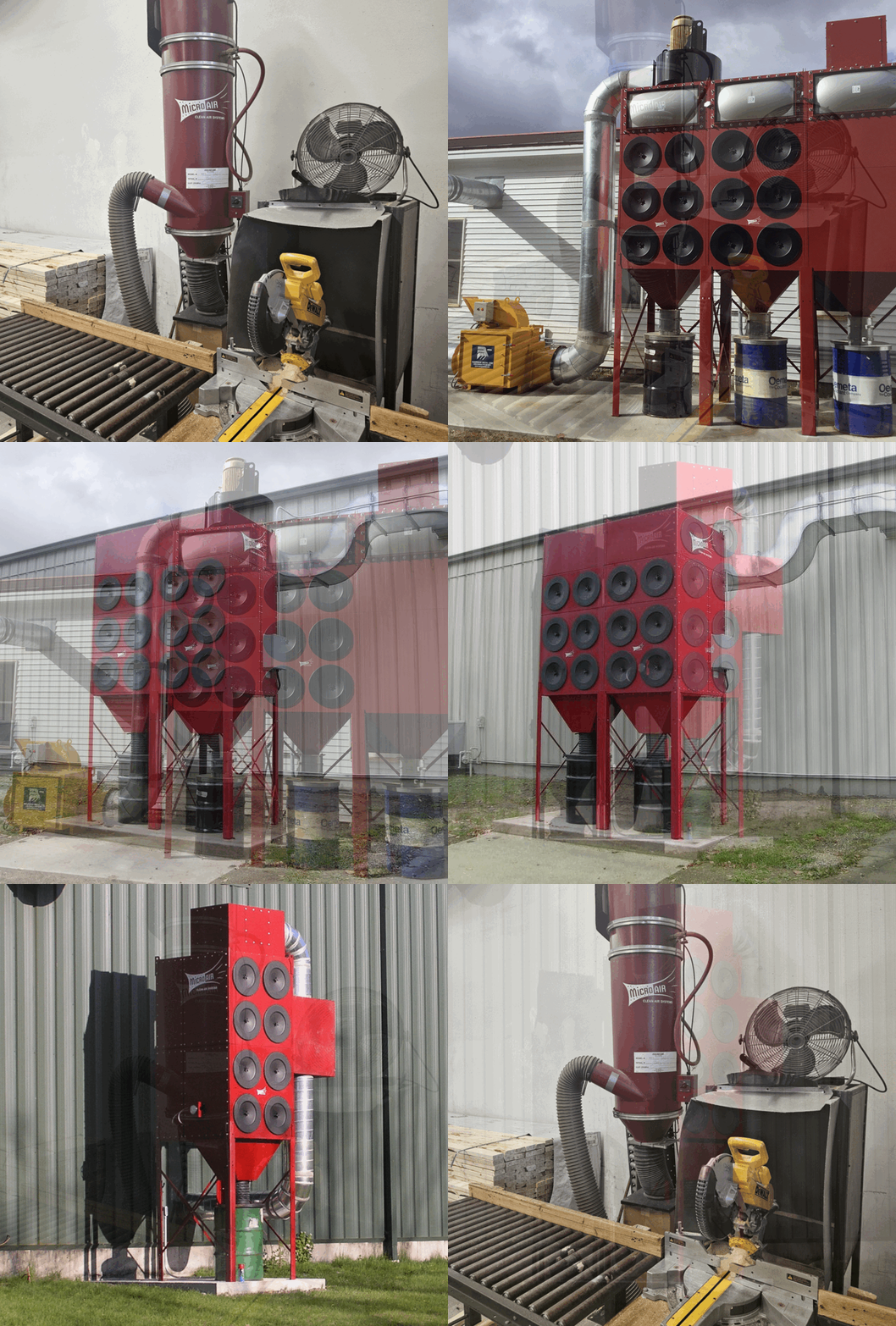
- FRP FORCE™ Dry Cartridge Dust Collectors: High-efficiency central collectors equipped with proprietary Roto-Pulse® filter cleaning that continuously blasts accumulated fine wood flour off the full length of the cartridges to eliminate filter blinding.
- Explosion Protection Controls: Engineered options for dry collection systems including certified explosion relief vents, active chemical suppression loops, and back-draft isolation dampers to mitigate flame propagation paths.
Custom-Engineered Millwork Airflow Configurations
Because heavy planers require high-velocity air volume to convey chips while sanders require precise static pressure to filter fine dust, generic off-the-shelf collectors often suffer from plugged ducts or insufficient suction. Micro Air’s factory-trained network of Engineered Systems Distributors will conduct a comprehensive plant-wide dust hazard analysis (DHA), calculate correct transport velocities for your specific wood species, and build a custom system layout engineered for peak performance and strict regulatory compliance.
Request a Commercial Woodworking Extraction System Assessment & Quote